
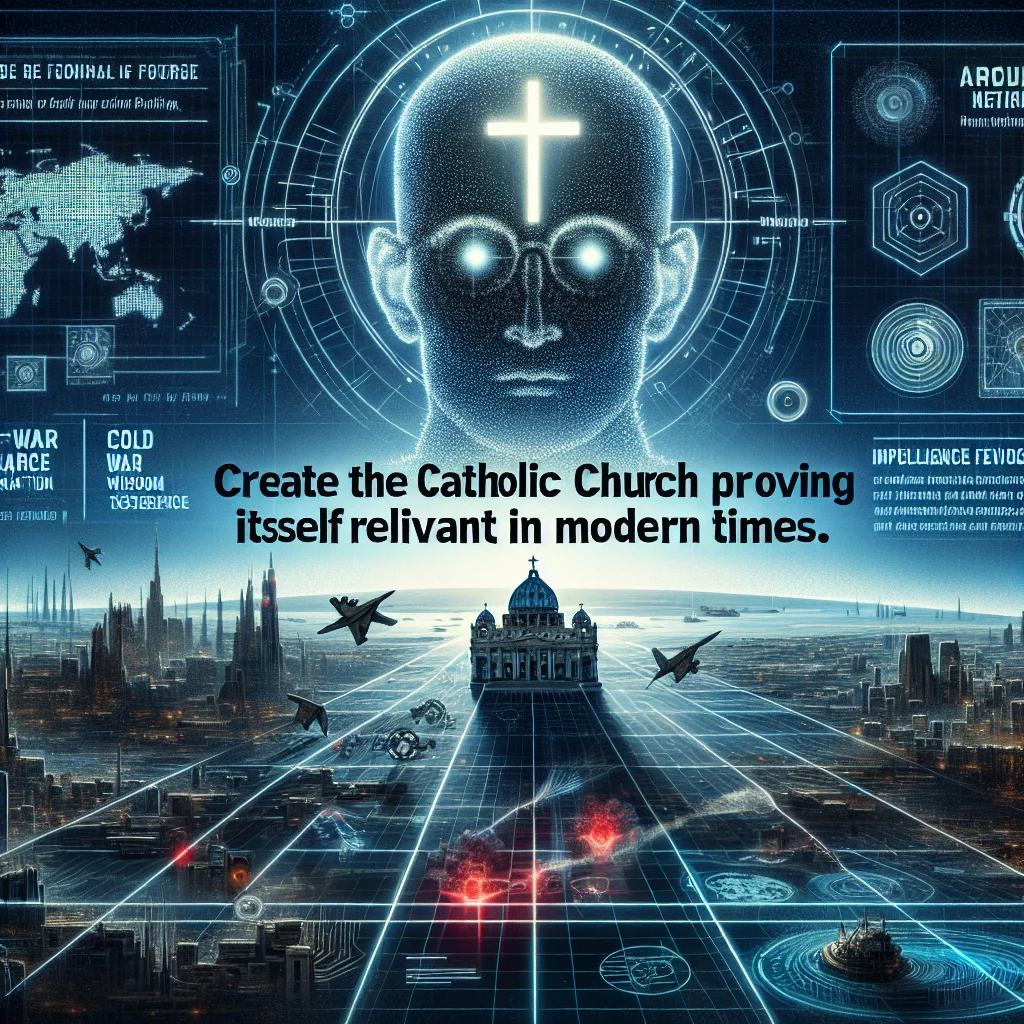
The conversation surrounding Artificial Intelligence (AI) is increasingly contentious and complex. In a world where innovation moves at breakneck speed, many feel that humanity risks losing grip on essential values. Enter Pope Leo XIV, the first American pope, who is navigating the intersection of technology and morality with unprecedented poise. His recent interventions and strong stance against unbridled AI development ignite a valuable discourse about our future. For an organization often perceived as outdated, the Catholic Church, through Leo XIV’s leadership, is addressing issues that many may shy away from, proving itself remarkably relevant.
Leo XIV has taken an assertive approach to redefine the ethical boundaries surrounding AI. As the landscape of technology evolves, questions of conscience and responsibility arise. In various public addresses, the Pope has articulated concerns about the ethical implications of AI, cautioning against its unchecked deployment. While recognizing the potential benefits of AI in everyday life, he has emphasized that the dignity of the human person must remain at the forefront of any technological innovation. This positions the Church as a moral compass during an era of unprecedented change, grounding the conversation in compassionate principles rather than technical jargon.
One of the core elements of Leo XIV’s message is the idea of stewardship. He argues that humanity plays a critical role in shaping technology, suggesting that AI should not exist merely as a tool for efficiency but should enhance, not diminish, our human experience. By advocating for technology that serves humanity’s best interests, he encourages developers and corporate leaders to consider the societal ramifications of their creations. This perspective brings forth an urgent reminder that technology must serve the common good, rather than become an end in itself.
Furthermore, Leo XIV’s stance resonates with the growing concern about AI’s potential to exacerbate economic and social inequalities. His comments about the necessity of responsible financing and equitable access to technology reflect a wider socio-economic awareness. In an environment where a handful of corporations hold most of the power, he underscores the importance of ensuring that advancements in AI are accessible to diverse populations. This stance aligns seamlessly with the Church’s long-standing commitment to social justice, calling on tech leaders and policymakers to collaborate on creating frameworks that ensure equitable AI access.
Another thrust of Leo XIV’s crusade is the avoidance of a future where AI decisions overshadow or replace human judgment. As AI systems become integrated into sectors such as healthcare, law enforcement, and finance, the Pope raises alarm bells about algorithmic bias and the consequences of delegating human decisions to machines. He captures a critical facet of human dignity, arguing that ethical considerations must be an integral part of the design and implementation of AI algorithms. His call for transparency and regulation stands as a clarion call to prioritize human oversight and accountability in technology.
These insights prompt a pivotal question: How can modern societies balance innovation and morality? In light of Pope Leo XIV’s assertions, organizations, businesses, and the public sector have a prime opportunity to reassess how they approach AI development. Companies eager to immerse themselves in the AI landscape must recognize that ethical development not only aligns with societal values but also builds trust and loyalty with customers. Overall, the conversation ignited by Leo XIV prompts a strategic reflection on resource allocation, corporate responsibility, and the role each stakeholder plays in this rapidly advancing domain.
Want to explore how AI can optimize your business or automate key workflows? Book a free 15-minute call with Kick-Start.ai to get personalized help.
In closing, Pope Leo XIV’s call for a principled approach to Artificial Intelligence signifies a pivotal moment in the ongoing discourse around technology and ethics. By shifting the focus back to human dignity and responsible stewardship, he strengthens the case for integrating moral frameworks in technology. As voices from varying sectors come together to address these pressing issues, it is clear that the Catholic Church under Leo XIV is not only remaining relevant but leading the charge for a future where technology and humanity coexist harmoniously.