
Introduction
The underwater world is a fascinating frontier of exploration and discovery, offering insights into complex ecosystems and the impacts of climate change. However, traditional autonomous underwater vehicles often resemble cumbersome tubes or torpedoes, limiting their potential and efficiency in collecting crucial data. Now, MIT researchers are pioneering a new approach that harnesses the power of artificial intelligence to innovate the design of autonomous underwater gliders, making them more efficient and optimized for real-world conditions.
AI-Driven Design Innovations
The researchers from MIT’s Computer Science and Artificial Intelligence Laboratory (CSAIL) and the University of Wisconsin at Madison have unveiled a cutting-edge method to explore various glider designs through machine learning. By employing a physics simulator, they were able to test an array of 3D shapes, transforming conventional vehicle designs into more hydrodynamic forms. This process reduces both the material and energy consumption needed to fabricate these gliders, paving the way for more efficient vehicles capable of traversing vast underwater landscapes.
Enhancing Efficiency and Performance
The key innovation is the ability to simulate and optimize each glider’s performance using a neural network that predicts how different shapes interact with underwater physics. A critical focus is on achieving the optimal lift-to-drag ratio—a measure of efficiency that dictates how easily a glider can move through water. By refining these parameters, the team has successfully created gliders that can gather ocean data while consuming less energy, much like the effortless swimming techniques of marine animals.
From Concept to Reality
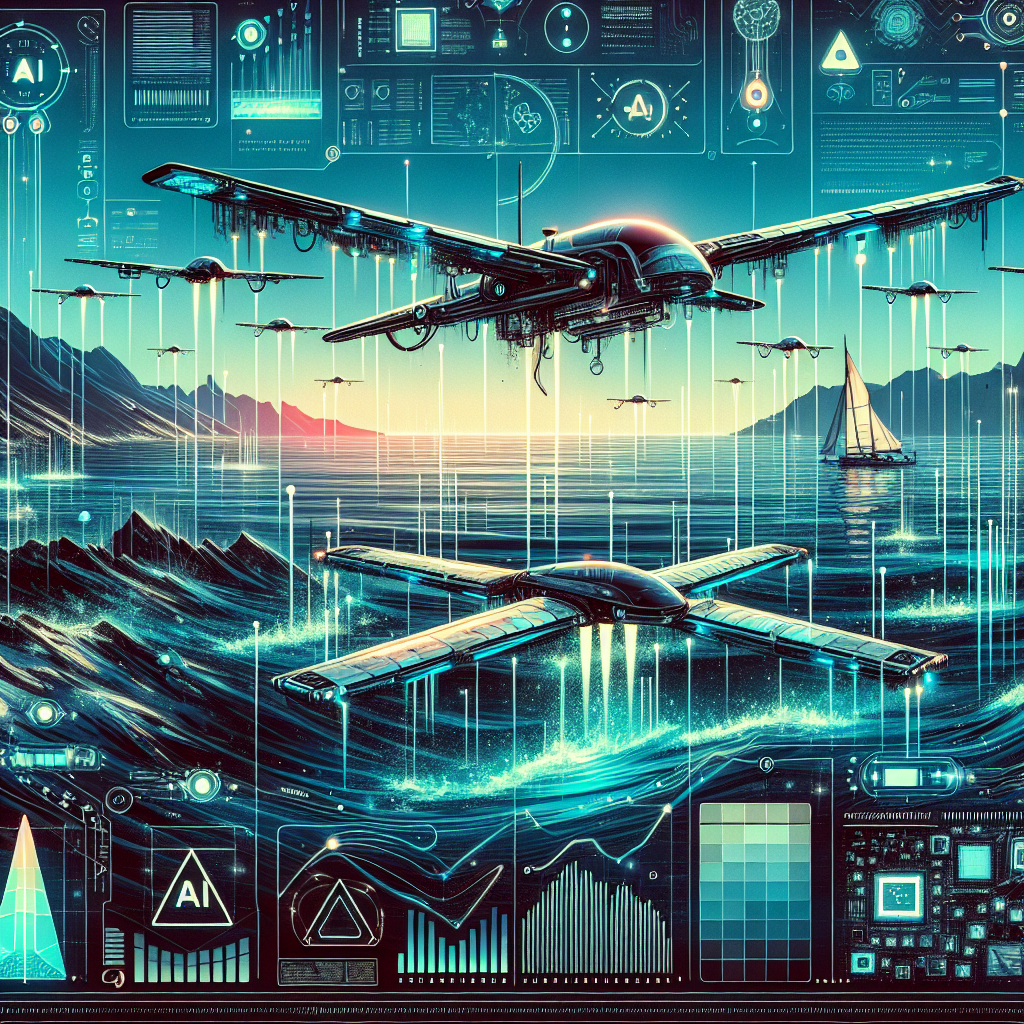
To validate these AI-generated designs, the team constructed two unique gliders—one mimicking a two-winged aircraft and another resembling a four-winged flat fish. These prototypes were tested in environments that simulated real-world conditions, including MIT’s Wright Brothers Wind Tunnel. Encouragingly, their predictions regarding lift-to-drag ratios closely mirrored actual experimental results, validating their innovative approach. Ultimately, these gliders not only outperformed traditional models but also showcased the potential for applying AI techniques to a wider array of autonomous vehicles.
Future Directions in Underwater Exploration
Looking ahead, the research team aims to narrow the gap between simulation and real-world performance even further. They are exploring new, slimmer designs that promise increased maneuverability and adaptability to changing ocean currents. The ambitions to create a more diverse set of machine designs reflect a commitment to enhancing our understanding of marine environments and addressing vital research questions regarding climate change and oceanic health.
Want to explore how AI can optimize your business or automate key workflows? Book a free 15-minute call with Kick-Start.ai to get personalized help.
Conclusion
The integration of AI into the design of autonomous underwater gliders marks an exciting advancement in marine research technology. This AI-driven pipeline not only facilitates the creation of more efficient gliders but also opens new avenues for exploring and understanding our oceans. As we push the boundaries of design and technology, the potential for discovery in the underwater realm continues to grow, making us better equipped to face global environmental challenges.