
Author: Kick-Start.ai
-
Robot, Know Thyself: New Vision-Based System Teaches Machines to Understand Their Bodies
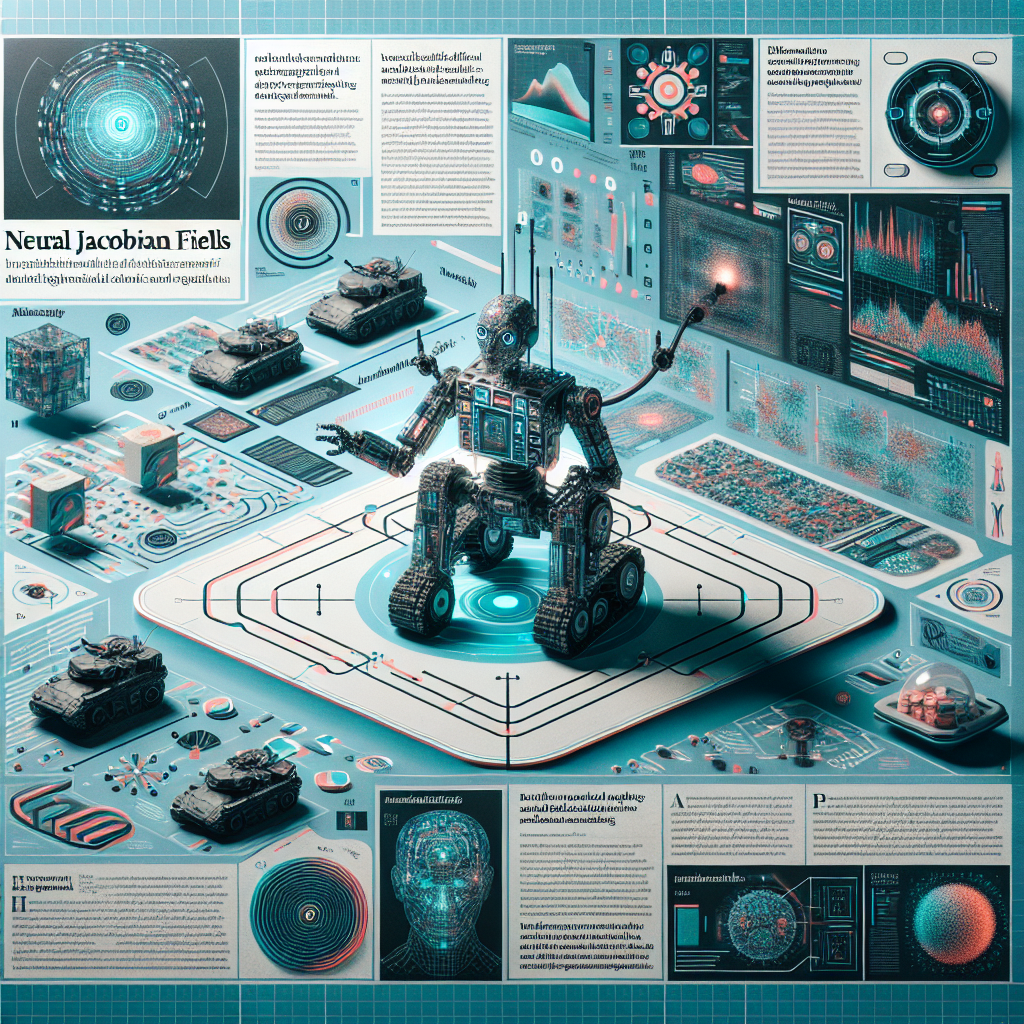
MIT’s latest innovation, Neural Jacobian Fields, empowers robots to understand their own motions and control through visual feedback rather than complex programming and sensors, enhancing autonomy and adaptability. Read more
-
Robot, Know Thyself: Empowering Machines with Self-Awareness Through Vision-based Learning
This article discusses a groundbreaking vision-based control system called Neural Jacobian Fields that enables robots to learn self-awareness and control through visual observation alone, signaling a pivotal shift in robotics design and capabilities. Read more
-
Robot, Know Thyself: A New Vision-Based System for Robotic Self-Understanding
MIT researchers have developed a groundbreaking system, Neural Jacobian Fields, enabling robots to learn self-control solely through visual input. This innovative approach fosters body awareness in machines, paving the way for a new era of flexible robotic design. Read more
-
Revolutionizing Image Editing and Generation: New Techniques Unveiled

MIT researchers have developed groundbreaking methods for image editing and generation using advanced neural networks known as tokenizers. This new approach allows for high levels of image manipulation and generation without conventional image generating tools, potentially transforming the AI image landscape. Read more
-
Revolutionizing Image Editing and Generation with Neural Networks

Recent advancements in AI image editing and generation have emerged from novel neural network structures, specifically encoders called tokenizers. These breakthroughs from MIT researchers allow for seamless image manipulation and generation without the extensive training typically required, offering new opportunities in creativity and efficiency. Read more
-
Revolutionizing Image Editing and Generation with AI Tokenizers

Recent research reveals that neural networks known as tokenizers can significantly enhance image editing and generation, bypassing traditional image generators. By working with highly compressed tokens, this innovative approach streamlines processes and reduces computational demands. Read more
-
The Unique Mathematical Shortcuts Language Models Use to Predict Dynamic Scenarios

Language models leverage sophisticated mathematical shortcuts instead of following the step-by-step dynamics of scenarios, enabling smarter predictions. A recent study outlines how engineers can harness these shortcuts to enhance model performance in dynamic tasks. Read more
-
Revolutionizing Robot Training: A New Tool for Everyone
A groundbreaking tool developed by MIT engineers allows users to teach robots new skills using flexible training methods. This innovation enhances collaboration between humans and robots, making robotic assistants more accessible across various sectors. Read more
-
Unleashing the Power of Collaborative Robotics: A New Tool for Everyone
MIT engineers have developed an innovative tool that enables anyone to teach robots new skills, enhancing flexibility and usefulness for a variety of tasks in manufacturing and beyond. This ‘versatile demonstration interface’ combines three training methods into one, making robot training accessible and effective for a wider audience. Read more
-
Addressing Racial Disparities in Organ Acceptance: Research Insights from MIT and Mass General Hospital

This blog post explores a recent study by MIT and Massachusetts General Hospital that highlights significant racial disparities in organ acceptance rates. Analyzing over 160,000 transplant candidates, the researchers reveal that Black patients face systemic barriers in the organ acceptance process, thereby raising vital questions about equity in healthcare access. Read more